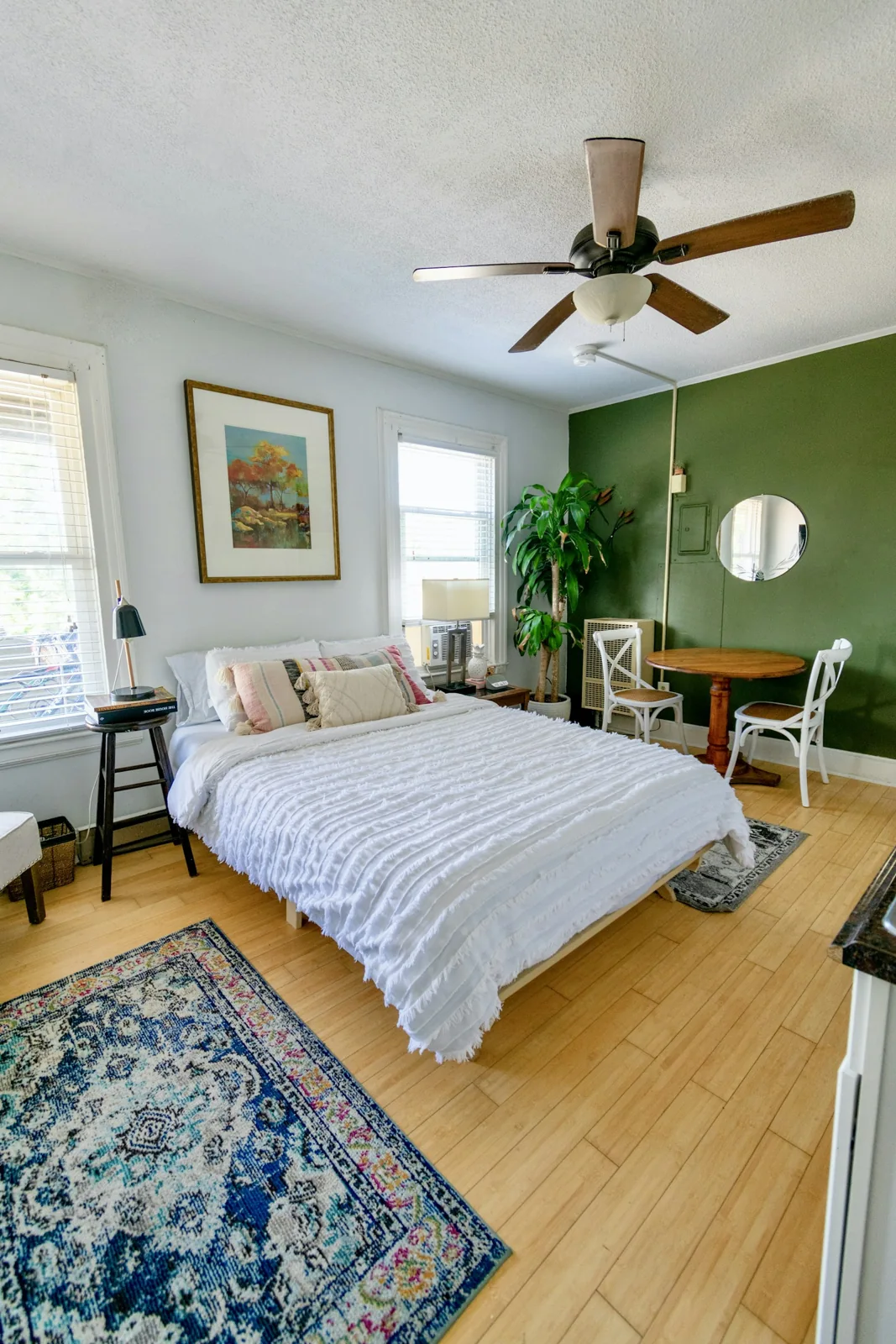
Editorial scene photography; images illustrate the setting and are not evidence of product testing.
The cupboard can be full of towels while the one you like is always in the laundry. That is a clue about the rotation, not necessarily a reason to buy another set. Home textiles work best when quantity, care, and storage fit together. Begin by separating the pieces in regular use from the ones kept without a clear role. Then replace only what is missing or worn beyond its intended use. A related palette can hold the collection together without requiring every towel, throw, and napkin to match.
Count the rotation
Before buying new towels or linens, count what is actually in use between laundry days. The right quantity depends on household size, drying space, guests, and how often you wash. An overflowing cupboard can hide the pieces you prefer, while an overly strict edit can make ordinary laundry delays difficult. Keep a realistic rotation and remove items from everyday storage only after deciding whether they have a useful second role.
Let care guide the choice
Texture in a product photograph cannot tell you the whole maintenance story. Read composition, dimensions, and washing instructions. Think about the size of your machine and the space available for drying a throw. A piece that requires care you routinely postpone can spend more time waiting for attention than being enjoyed. Buying for your actual household habits is a stronger starting point than choosing whatever looks most luxurious on screen.
Use color to make replacements easier
A related palette makes it simpler to replace one worn piece without replacing everything. That does not require a perfectly matched set. Warm whites, muted greens, or earthy shades can sit together with slight differences. If you love a pattern, place it where it will be enjoyed rather than hidden at the bottom of a stack. Assess new pieces against what remains useful; an edited home should keep functioning while it changes gradually.
Inspect the household before the listing
Count how many pieces are needed between ordinary laundry days and check where they dry. Measure shelf depth and the space available for the folded item. For a throw, compare the listed size with the chair or sofa rather than judging from a styled photograph. Read washing instructions and consider whether your existing machine and drying setup suit them. Buy one replacement first if you are uncertain about a new material or size. A gradual edit lets you learn what works without committing the whole cupboard to an option that is beautiful but inconvenient to maintain.
Your shopping checklist
- Give towels, a useful throw, and table linens that suit the routine a clear role before adding a restrained color palette that tolerates mixing.
- Compare the published measurements with the space, clothing, or bag you already use.
- Read materials, care guidance, and the current return policy on the exact listing.
- Keep the receipt and follow the seller’s conditions while deciding whether the purchase works.
For a starting point, browse Quince and compare the current selection against your own checklist. This is a place to research options, not an endorsement of every item or a statement that a particular product has been tested. Availability, prices, and policies can change; confirm the details directly before ordering.
Questions before you decide
Should all my towels match?
A matching set is optional. Related colors can make a mixed rotation look coherent and allow gradual replacement. Prioritize the dimensions and care that suit the household; identical appearance is not helpful if the towels do not fit your drying or storage space.
How many spare linens should I keep?
Base the decision on the washing schedule, guests, and how quickly items dry. Keep enough flexibility for ordinary delays without storing a quantity you rarely use. Review the rotation after a few weeks rather than buying a full reserve at once.
Can a throw serve as a decorative accent?
Yes, but check that you enjoy using and caring for it too. Consider the size of the chair or sofa and the available laundry setup. A throw that is always removed before sitting may be doing less useful work than a simpler alternative.