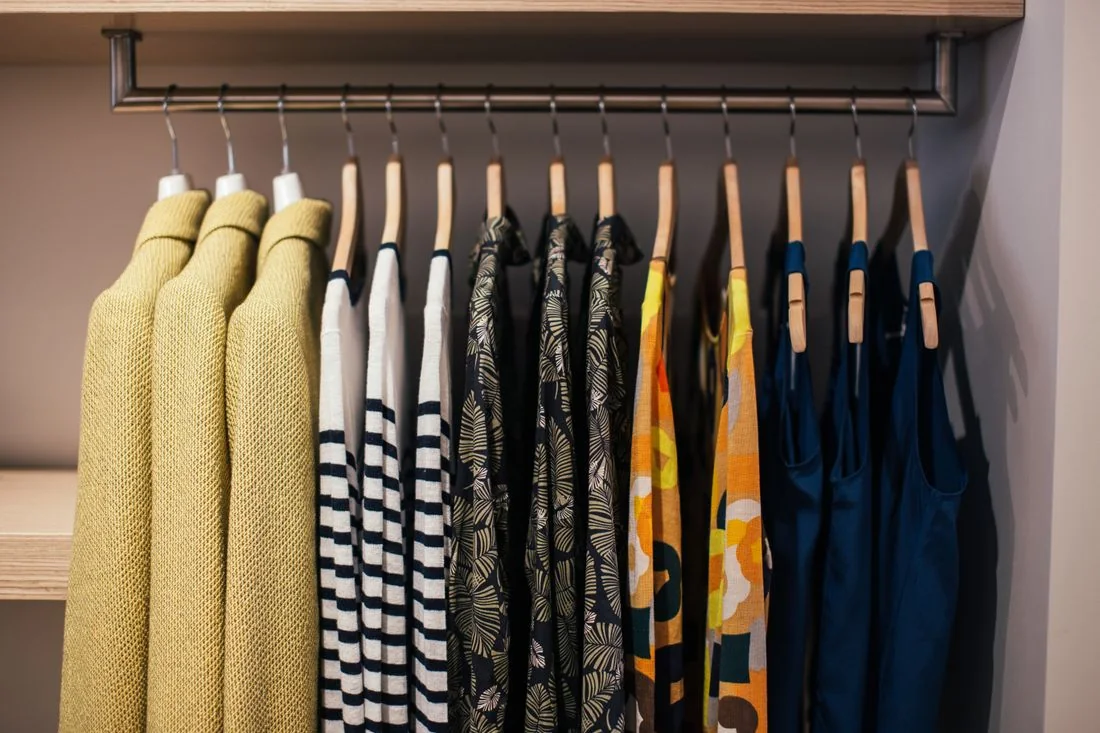
Editorial scene photography; images illustrate the setting and are not evidence of product testing.
A wardrobe can be full and still leave you searching for an outfit before the morning train. Often the missing piece is not another garment but a connection: the shirt that works with both bottoms, or the shoe that makes a favorite trouser useful on a walking day. A city capsule should make those connections visible. Begin with the week you are actually living, including errands and evening plans, and build a small group of combinations that can take ordinary interruptions in stride.
Start with a week, not a number
A wardrobe becomes useful when it reflects a real calendar. Picture a Monday with a subway commute, a Wednesday spent between a desk and a grocery run, and a Friday dinner booked straight after work. Those days need related clothes, but they do not need identical outfits. Start by identifying the pieces that solve the longest stretches of each day. A trouser that works with both loafers and sneakers earns its space before a beautiful jacket that only works with one dress.
Give the foundations different jobs
Choose one relaxed bottom and one sharper bottom rather than three almost identical pairs. A crisp shirt supplies structure; a fine knit softens that structure without asking you to change the entire outfit. Keep the base palette close enough that you can get dressed in low light. Navy, cream, denim, and a warm brown are a flexible beginning, but the best combination is the one already present in your most frequently worn clothes.
Make the small piece count
Personality does not require an overflowing rail. A striped scarf, a sculptural earring, or a bag with visible texture can change the emphasis of familiar clothes. Choose details you actually like wearing at eight in the morning. If an accessory repeatedly comes off before leaving home, it belongs in the occasional category rather than the everyday capsule. Photograph three complete outfits before buying anything: the missing link is often smaller than you expected.
The gap that earns a purchase
Write five outfit combinations using your existing clothes, then circle the point where each stops working. If four need the same simple layer, that is a more convincing purchase than another special top. Check the proposed layer with the collars, sleeves, and waist heights you already own. Keep one photograph of each successful combination so the capsule remains a practical dressing tool. When comparing retailers, look for the cut and care routine that support those outfits. You are buying a connection between familiar pieces, not an abstract promise of a minimalist wardrobe.
Your shopping checklist
- Give straight trousers, a soft shirt, a knit layer, and walkable shoes a clear role before adding an expressive scarf or a textured bag.
- Compare the published measurements with the space, clothing, or bag you already use.
- Read materials, care guidance, and the current return policy on the exact listing.
- Keep the receipt and follow the seller’s conditions while deciding whether the purchase works.
For a starting point, browse J.Crew and compare the current selection against your own checklist. This is a place to research options, not an endorsement of every item or a statement that a particular product has been tested. Availability, prices, and policies can change; confirm the details directly before ordering.
Questions before you decide
How many pieces should a capsule contain?
Count the roles in your week rather than aiming for a fixed total. Someone who works from home needs a different balance from someone in an office five days a week. Include enough options for your laundry schedule, then remove overlap gradually.
Can a capsule include prints?
Yes. Choose a print whose colors connect with several plain pieces you already wear. Treat it as a useful garment rather than an exception. If every printed piece requires its own separate outfit, the edit will become harder to use.
What should I buy first?
Identify the outfit that repeatedly stalls when you get dressed. It may need a better layer or a different shoe rather than another top. Choose the smallest purchase that completes several combinations, and photograph those combinations before ordering.