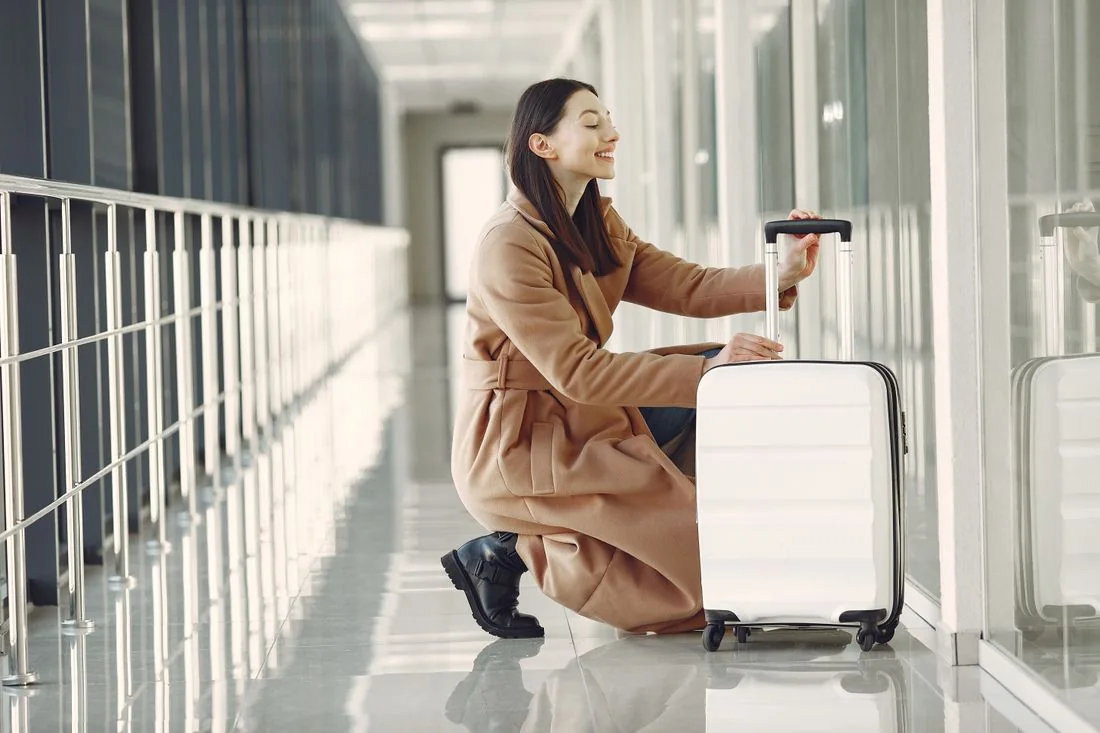
Editorial scene photography; images illustrate the setting and are not evidence of product testing.
The personal item has two jobs on a long flight: keeping essentials with you and making a small selection of comforts easy to reach. It cannot do either well if it is packed like a second suitcase. Think through the airport, the time in your seat, and the transfer after landing. Choose the few things you expect to use at each stage, then give documents and necessary personal items a consistent place. A familiar layer and simple entertainment can be enough without building an elaborate cabin ritual.
Separate essential from merely handy
The personal item should hold what you need if the larger bag is out of reach, along with anything that must travel with you under the applicable rules. Check official airline guidance for restricted items and baggage limits. Keep documents accessible without repeatedly opening the entire bag. Think through the arrival too: a charged phone, the address of your accommodation, and the layer needed outside can matter as much as entertainment in the air.
Make a seat-sized system
Before boarding, identify the few items you will want during the flight and group them in an easy-to-reach pouch. Avoid packing a large collection of alternatives that will be awkward in a limited space. A book and headphones may be enough for your preferences. Keep pathways and required storage areas clear and follow crew instructions. The bag should make it easier to settle in without turning the seat into a temporary unpacking zone.
Pack comfort according to your habits
A light layer can help with changing cabin temperatures, but choose something useful after landing too. Wear shoes and clothing that suit sitting for the journey and walking through the airport. If you carry medication or medical supplies, check official transport guidance and consult the relevant professional about storage or individual needs. Shopping for travel accessories is optional; the aim is a manageable set of familiar items, not a cabin routine you have never used.
Pack for the moment of boarding
Fill the bag at home, then take out only the things you would want during the flight. Put that group into an accessible pouch or pocket and check that the rest can stay packed. Compare the loaded dimensions and weight with current airline rules. If the bag is uncomfortable to carry, remove nonessential alternatives before replacing it. Evaluate a new travel accessory by whether it solves a particular problem you have identified, and whether it is useful outside the aircraft. Follow official rules for restricted items and professional advice for individual medical needs. The most convenient arrangement is one you can understand quickly when tired.
Your shopping checklist
- Give travel documents, essential personal items, a layer, and simple entertainment a clear role before adding a small pouch for things needed during the flight.
- Compare the published measurements with the space, clothing, or bag you already use.
- Read materials, care guidance, and the current return policy on the exact listing.
- Keep the receipt and follow the seller’s conditions while deciding whether the purchase works.
For a starting point, browse BAGGU and compare the current selection against your own checklist. This is a place to research options, not an endorsement of every item or a statement that a particular product has been tested. Availability, prices, and policies can change; confirm the details directly before ordering.
Questions before you decide
What should stay accessible during the flight?
Choose a few things you know you will use, such as reading material, a layer, and essential personal items. Store them appropriately and follow crew instructions. Keep documents and arrival details easy to find without spreading the contents of the bag around your seat.
Can I pack the personal item to its limit?
Check current carrier requirements and leave room to retrieve items without unloading everything. The fullest possible bag is not necessarily the most convenient one. Include the weight of the whole load and consider the walk between airport entrances, security, and your gate.
Do I need specialized flight accessories?
Only if they address a real preference or need. Familiar clothing and a manageable entertainment choice may be enough. Compare an accessory with something you already use and consider whether it will remain helpful after landing or simply occupy the bag for the return trip.