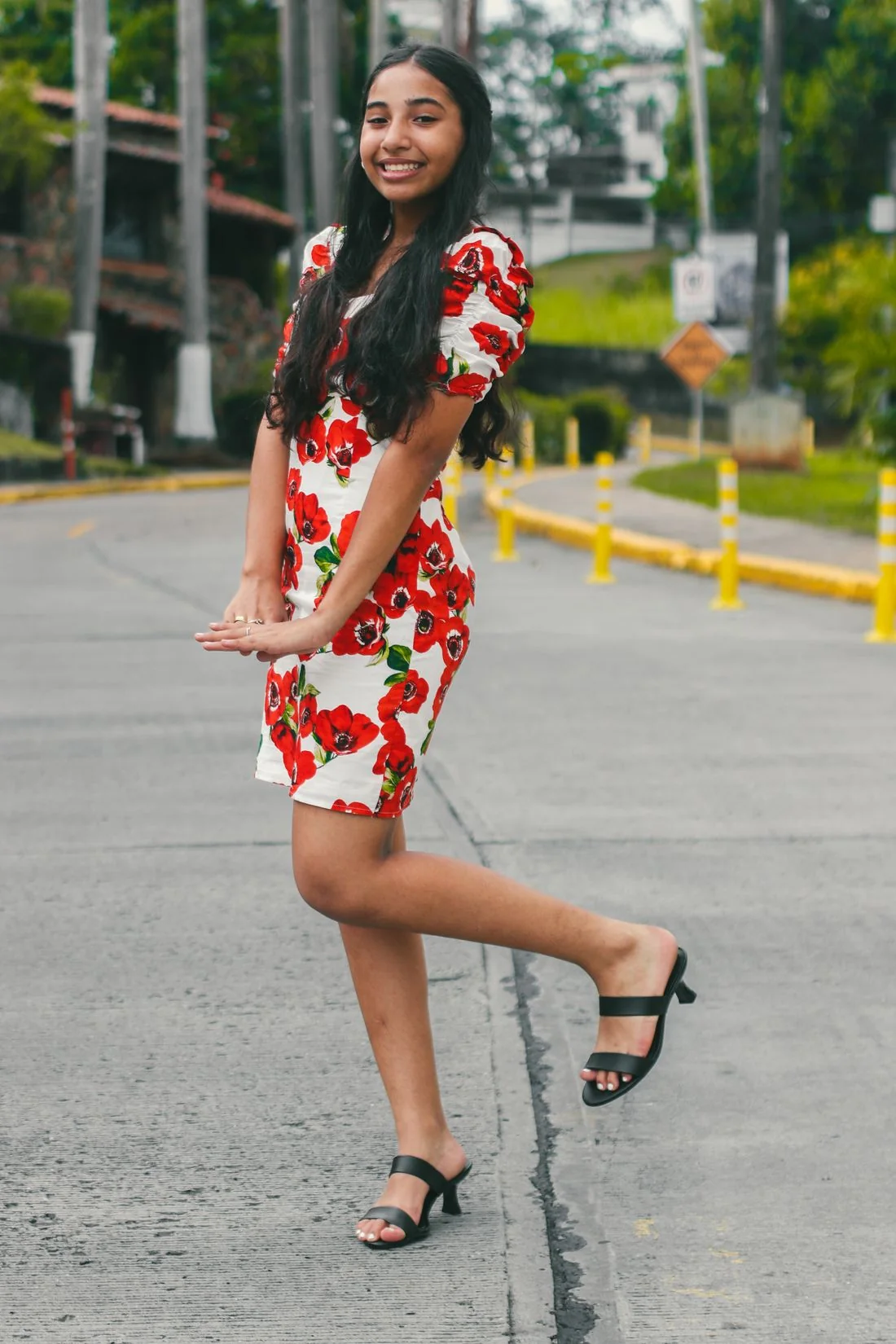
Editorial scene photography; images illustrate the setting and are not evidence of product testing.
Several invitations can make an otherwise sensible wardrobe feel suddenly inadequate. Before buying for each date, look for the overlap: the dress that suits two dinners, or separates that work for both a celebration and a relaxed evening. Repeating a good outfit makes room to focus on the occasion itself. The important checks are the dress code, setting, fit, and weather. Once those are covered, a small change in accessories can shift the emphasis without turning every event into a new shopping assignment.
Choose the base for the actual events
Look at the invitations together before shopping. A daytime garden gathering and a formal evening wedding may not share a workable outfit, but several dinners often can. Read any stated dress code and consider the setting. Grass, stairs, wind, and the travel home are part of the event too. Start with a base that suits the most common situation rather than the most glamorous imaginary version of the season.
Change the frame
A jacket, a different shoe shape, or a lighter bag can change how a familiar outfit reads. The aim is not to disguise repetition. It is to make the outfit work comfortably in a new context. If the dress has a distinctive print or dramatic neckline, let it remain the focus. A simple base gives accessories more room. Choose changes you can enjoy wearing throughout dinner, not only for a photograph.
Make alterations part of the decision
A small adjustment may improve a piece you already own, but confirm the scope and cost with a qualified alterations service before relying on it. Hem length, strap placement, and the way a waistband sits can affect whether you reach for an outfit. Do not assume every garment can be transformed. A carefully chosen repeat outfit should reduce last-minute decisions; an unresolved fit problem simply moves that stress closer to the event.
Spend on the part that prevents wear
Put on the complete outfit, including underlayers and the shoes you expect to use. Identify the detail that makes you hesitate to leave home: a hem, an uncomfortable strap, or a missing layer. Ask a qualified alterations service about a fit problem before assuming it requires a new garment, and confirm cost and timing. If the outfit works well already, compare accessories by how often you will use them beyond this event. Avoid building a chain of purchases around one decorative detail. A repeat occasion outfit should reduce decisions and feel comfortable through the actual length of the celebration.
Your shopping checklist
- Give a dress or coordinated separates with a reliable fit a clear role before adding one accessory that changes the emphasis.
- Compare the published measurements with the space, clothing, or bag you already use.
- Read materials, care guidance, and the current return policy on the exact listing.
- Keep the receipt and follow the seller’s conditions while deciding whether the purchase works.
For a starting point, browse J.Crew and compare the current selection against your own checklist. This is a place to research options, not an endorsement of every item or a statement that a particular product has been tested. Availability, prices, and policies can change; confirm the details directly before ordering.
Questions before you decide
Will people notice that I repeated the outfit?
They might recognize a piece, and that does not make it less appropriate. Focus on the dress code, comfort, and condition of the clothes. Accessories can change the emphasis, but there is no need to make repetition a secret project.
Can one dress cover every invitation?
Not necessarily. Formality, weather, and setting can make one outfit unsuitable for part of the calendar. Look for genuine overlap between events rather than forcing a universal solution. A small set of useful options is still an edit.
When should I arrange alterations?
Ask a qualified service about timing well before the event, especially if the change is complex. Confirm what is possible and the expected cost. Leave room to try the finished garment with the shoes and underlayers you will actually wear.